Facts checked 2026-11-15.
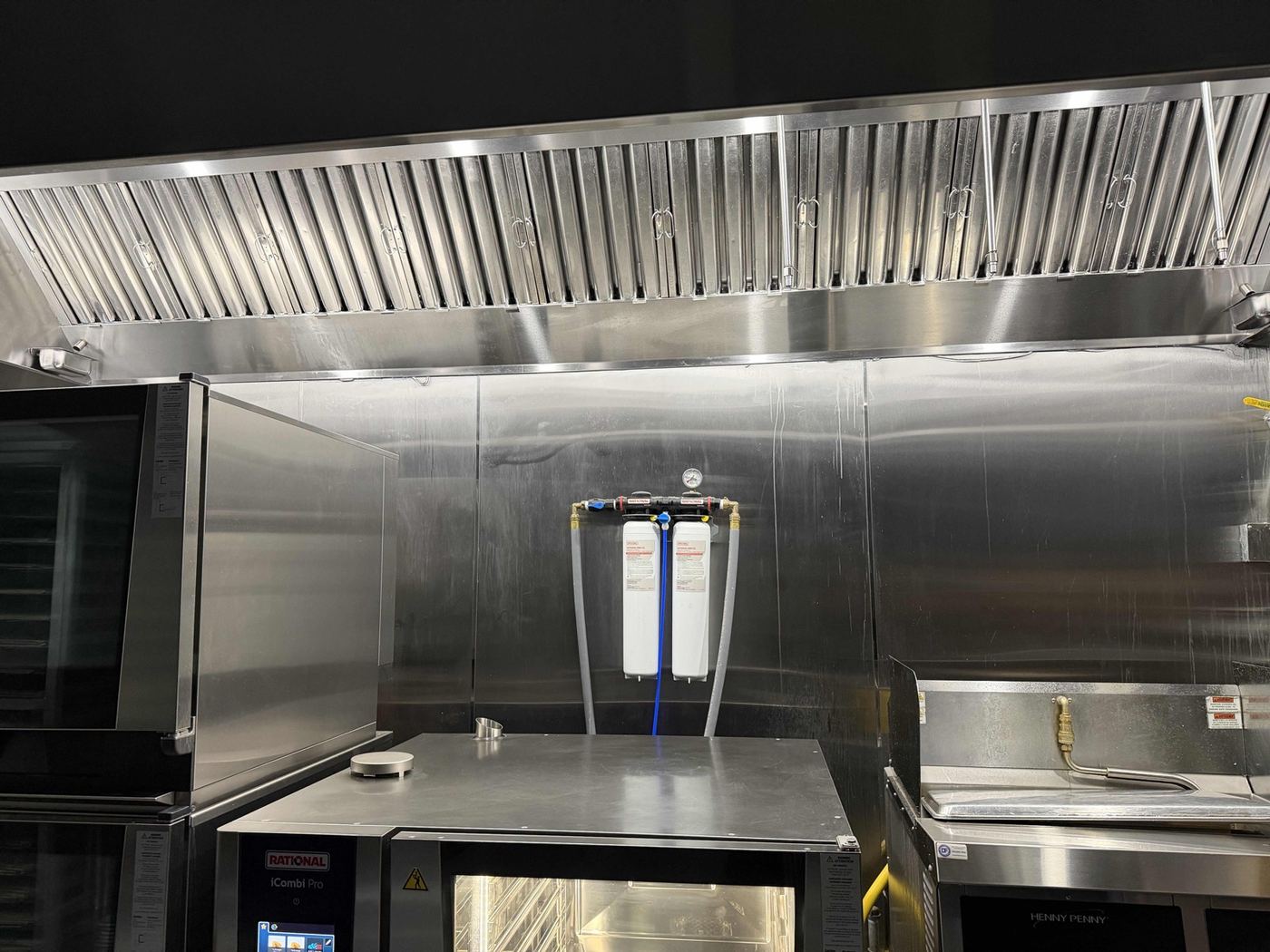
A kitchen hood pulls heat, smoke and grease vapor away from the cooking line, and a fan sends it outdoors through a duct. Tell New York Commercial Kitchen Connect what you need and the request goes to mechanical contractors who work on commercial exhaust in your area.
1. Which hood a cooking line needs
The Fire Code of New York State, section 606.2, calls for a Type I hood at or above every commercial cooking appliance that makes grease vapor. Domestic appliances used commercially count too. The code lists exceptions: listed down-draft appliances, listed factory-built hoods, recirculating systems listed under UL 710B and certain electric appliances proven to release very little grease. Ask the code office whether your equipment qualifies for one.
The Mechanical Code says hoods are Type I or Type II. Both must capture and confine cooking vapors and residues. If any appliance under a shared hood needs Type I, the whole hood is Type I.
2. Filters and fire protection
Under Mechanical Code 507.2.8, a Type I hood carries grease filters listed to UL 1046. A Type I hood also needs an approved automatic fire suppression system, set out in 507.2.11. The Fire Code, section 606.3.1, expects the exhaust to run at the air movement the system was designed for, with those filters in place. Installed grease extractors must run whenever the cooking equipment does.
Get prices for this job. Send one request and pick how many local companies quote it.
Get quotes3. The grease duct
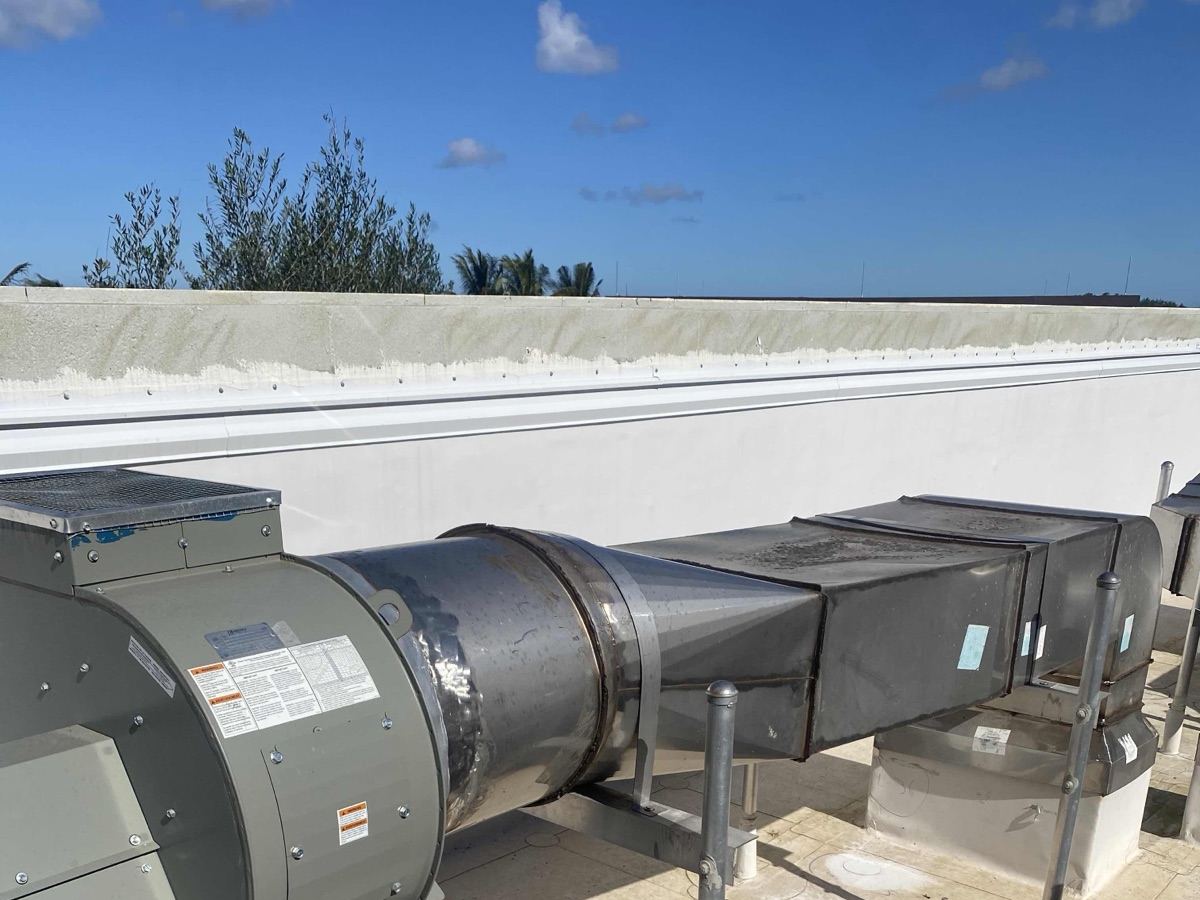
Section 506.3 of the Mechanical Code says grease duct systems are designed, built and installed under its subsections 506.3.1 through 506.3.13.3. The first of them sets the minimum steel thickness. Duct runs through walls and roofs, so the details depend on your building. A contractor should show you the route on a drawing before work starts.
4. Hood and health rules overlap
The state health rule, 10 NYCRR 14-1.175, says hoods and devices must be built and installed so grease or condensation does not collect on walls or ceilings. They also must not drip onto food or food-contact surfaces. In Westchester County, the health department's plan notice adds that ventilation is approved by the local municipality, and it points to NSF Standard 2 and NFPA 96.
5. A test before final approval
Mechanical Code 507.1.7 requires a performance test of a cooking ventilation system when the work is done and before final approval. A capture and containment test is part of it. The permit holder provides the test equipment, so ask who that is on your job.
6. What to ask a contractor
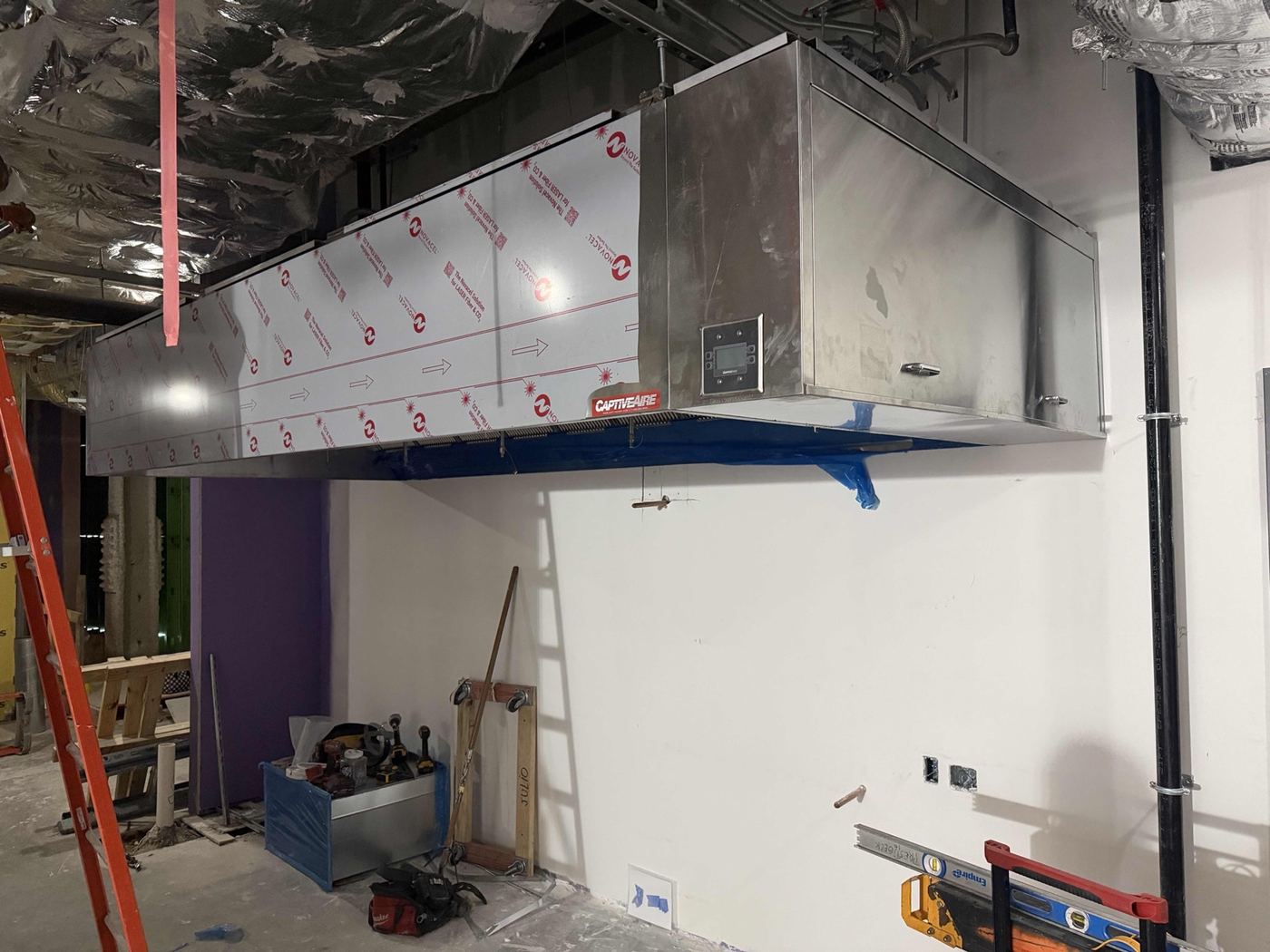
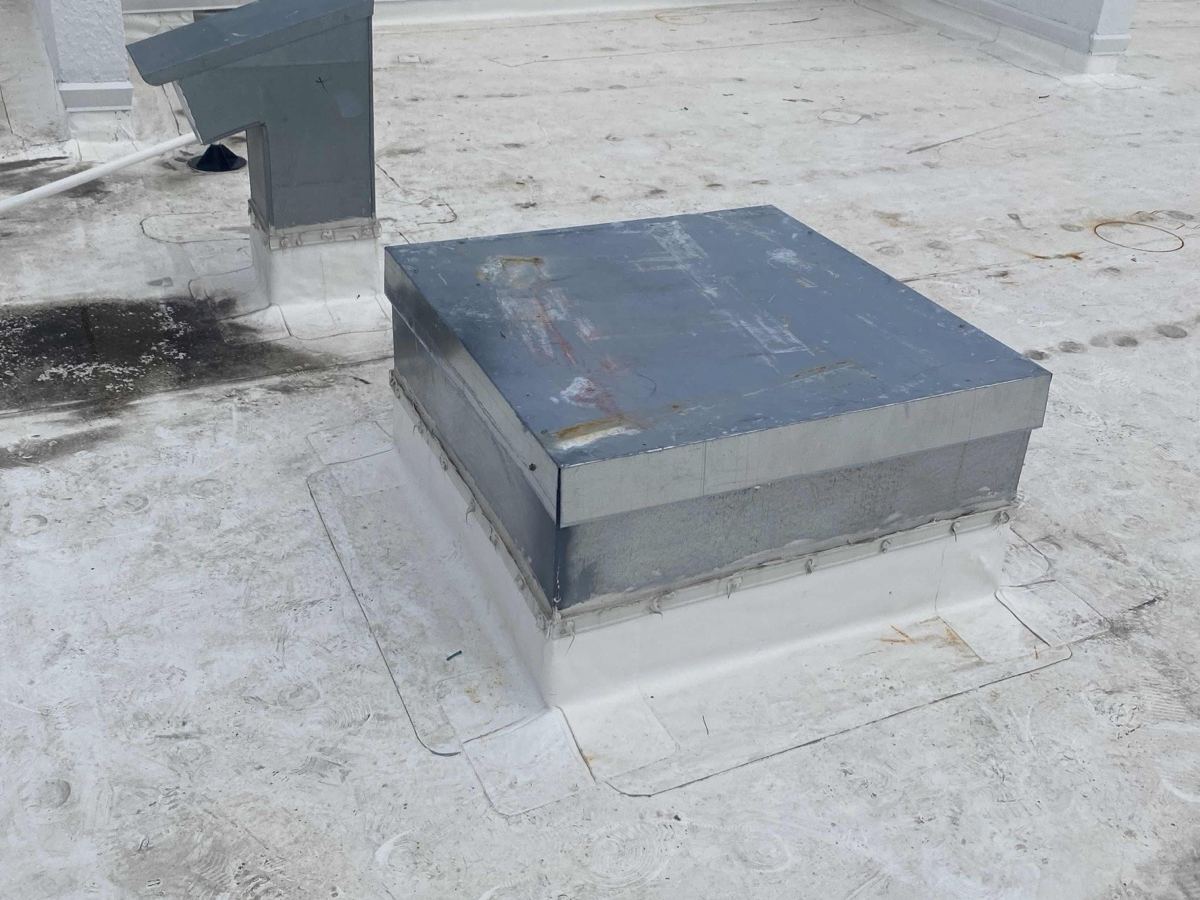
- Does the quote cover the hood, the duct, the fan and the roof curb or wall opening?
- Who files the mechanical permit, and who schedules the test?
- Where will cleanout access go, so the duct can be cleaned later?
- Will it show you the listing of the hood and filters?
Questions
What kind of hood does a New York restaurant need?
A Type I hood goes over appliances that produce grease vapor, under Fire Code 606.2, with a few listed exceptions for certain equipment.
Do hood filters have to meet a standard in New York?
Yes. Mechanical Code 507.2.8 says Type I hoods use grease filters listed to UL 1046.
Who checks the hood after installation?
The local code office handles final approval, and the Mechanical Code requires a performance test before that approval is given.
Does the health department look at hoods?
Yes. 10 NYCRR 14-1.175 asks that hoods stop grease from collecting on walls or ceilings or dripping onto food.